Academic Dean's Page
Academic Dean's Page
Mahesh Banavar, PhD, Appointed Academic Dean
Effective July 1, 2026
Dean of the Wallace H. Coulter School of Engineering & Applied Sciences
Dean of the David D. Reh School of Business
Image
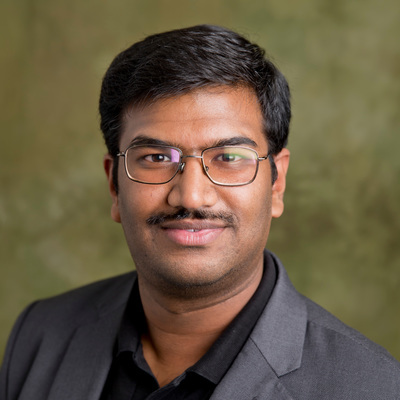
As a professor of electrical and computer engineering, researcher in signal processing, machine learning and artificial intelligence and leader in STEM education, Dr. Banavar brings a deeply integrated view of engineering’s future to the role of Academic Dean. Since joining Clarkson in 2014, he has built a record of excellence as a scholar, teacher, advisor and campus leader — combining advanced research with a strong commitment to student success, faculty support and hands-on, application-driven learning.
His work reflects the kind of engineering leadership Clarkson is known for: technically rigorous, human-centered and focused on real-world impact.
At a time when AI, machine learning, data systems and human-centered technologies are reshaping nearly every industry, Dr. Banavar’s appointment reflects Clarkson’s continued commitment to engineering education that is rigorous, relevant and responsive to the world students will enter after graduation.
As Academic Dean, Dr. Banavar will lead the faculty in advancing education and research that connect technical excellence with meaningful impact — empowering Clarkson engineers to build what’s next.

Departments
Research Leadership
At the intersection of AI, signal processing and human-centered technology, Dr. Banavar’s scholarship explores how information can be detected, interpreted and used across complex systems — from wireless sensor networks and source localization to behavioral biometrics and machine learning-enabled authentication.
His research interests include:
- Signal processing
- Machine learning and artificial intelligence
- Complex networks
- Cybersecurity
- Behavioral biometrics
- Continuous authentication
- STEM education
Through this work, Dr. Banavar contributes to technologies that can make digital systems more secure, intelligent and responsive. His publications include work on keystroke dynamics, facial recognition systems, source localization, sensor systems, sepsis prediction and STEM learning tools.
Championing STEM Education and Student Success
Dr. Banavar’s leadership extends beyond the lab. At Clarkson, he has served as Associate Director for Faculty Support with the Institute for STEM Education and has taught courses in digital signal processing, systems and signal processing, machine learning, detection and estimation theory, adaptive signal processing, signal processing applications, and digital control.
He has also contributed to university and departmental service through roles with Faculty Senate, assessment, financial review, ABET-related work and student organizations. His faculty advising has included groups such as IEEE-HKN Gamma Gamma Chapter, the IEEE Student Branch and K2CC Amateur Radio Society.
For Clarkson students, that means learning from a leader who understands engineering education from multiple angles: as a researcher, classroom teacher, mentor, advisor, program builder and accreditation leader.
Credentials
Dr. Banavar received his Ph.D. and M.S. in Electrical Engineering from Arizona State University and his B.E. in Telecommunications Engineering from Visvesvaraya Technological University in Karnataka, India.
| PhD | Electrical Engineering | Arizona State University | 2010 |
| MS | Electrical Engineering | Arizona State University | 2007 |
| BE | Telecommunications Engineering | Visvesvaraya Technological University | 2005 |
Dr. Banavar has been recognized for excellence in teaching, advising and graduate education.
Selected awards include:
- Clarkson University Outstanding Advisor Award, 2019
- Outstanding Teaching Award, Clarkson University HKN, 2015–2016
- Graduate Teaching Excellence Award, Graduate and Professional Students Association, Arizona State University, 2008–2009
- Inductee into the Inaugural Class of the HKN Advisors of Distinction
Dr. Banavar’s publications reflect the breadth of his work across artificial intelligence, machine learning, biometrics, signal processing, localization, healthcare technology and engineering education.
Selected recent publications include:
- D. Mahto, P. Yadav, M. Banavar, J. Keany, A.T. Joseph and S. Kilambi, “Development and validation of SXI++ large numerical model algorithm for sepsis prediction,” Journal of Medical Artificial Intelligence, 2025.
- C. Sahu, M.K. Banavar and J. Sun, “Data-Driven Nonlinear TDOA for Accurate Source Localization in Complex Signal Dynamics,” IEEE Sensors Journal, 2024.
- J. Križaj, R.O. Plesh, M. Banavar, S. Schuckers and V. Štruc, “Deep Face Decoder: Towards understanding the embedding space of convolutional networks through visual reconstruction of deep face templates,” Engineering Applications of Artificial Intelligence, 2024.
- C. Sahu, M. Banavar and S. Schuckers, “A novel non-linear transformation based multi user identification algorithm for fixed text keystroke behavioral dynamics,” IEEE Transactions on Biometrics, Behavior, and Identity Science, 2022.
- M.K. Banavar, S. Wickramasinghe, M. Achalla and J. Sun, “Ordinal UNLOC: Target Localization With Noisy and Incomplete Distance Measures,” IEEE Internet of Things Journal, 2021.
- B. Ayotte, M. Banavar, D. Hou and S. Schuckers, “Fast Free-Text Authentication via Instance-Based Keystroke Dynamics,” IEEE Transactions on Biometrics, Behavior, and Identity Science, 2020.
Dr. Banavar is also an inventor on patented technologies related to authentication, localization, wireless signals, distributed sensor networks and energy-efficient estimation.
Selected patents include:
- “System and method to authenticate users on a computing system using a free text behavioral biometric method,” U.S. Patent US20220245225A1, 2024.
- “Determining Localization from Ordinal Comparison Data,” U.S. Patent US11356805B2, 2022.
- “Localization using wireless signals,” U.S. Patent US10117051B2, 2018.
- “Distributed location detection in wireless sensor networks,” U.S. Patent US10028085B2, 2018.
- “Maximum likelihood localization in the presence of channel uncertainties,” U.S. Patent US9507011B2, 2016.
- “Energy efficient distributed estimation using nonlinear amplifiers,” U.S. Patent US9461676B2, 2016.

Dean Mahesh Banavar
AI Expert.
STEM Education Champion.
Future-Focused Leader.
Student Sustainability Projects
Student Sustainability Projects
Student Projects
Clarkson students are turning ideas into action through a wide range of sustainability projects that protect the environment, inspire change, and shape a more sustainable world. Here are some of the projects that students have worked on. Jump to a project below to learn more:
Food & Solid Waste Management
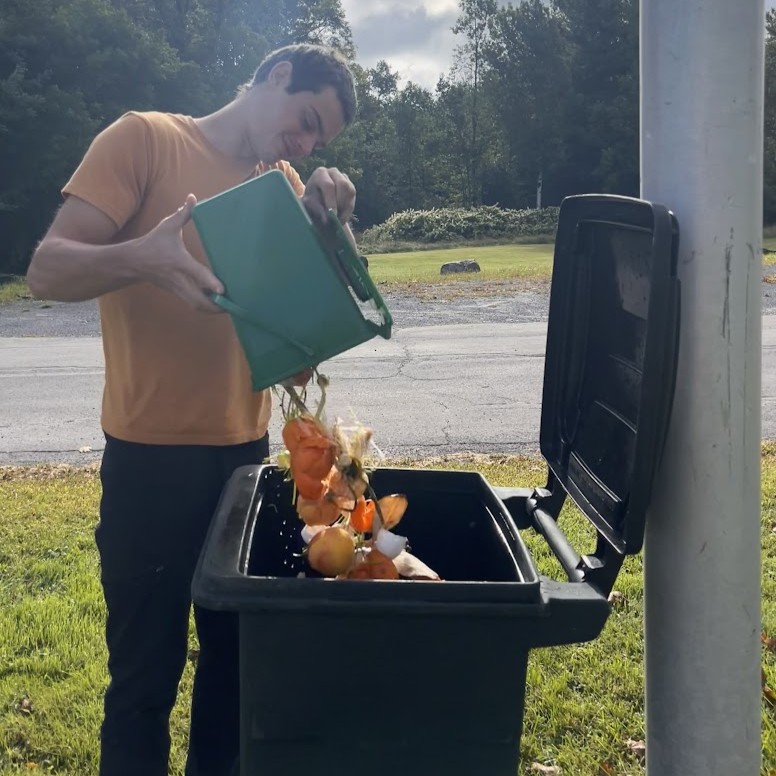
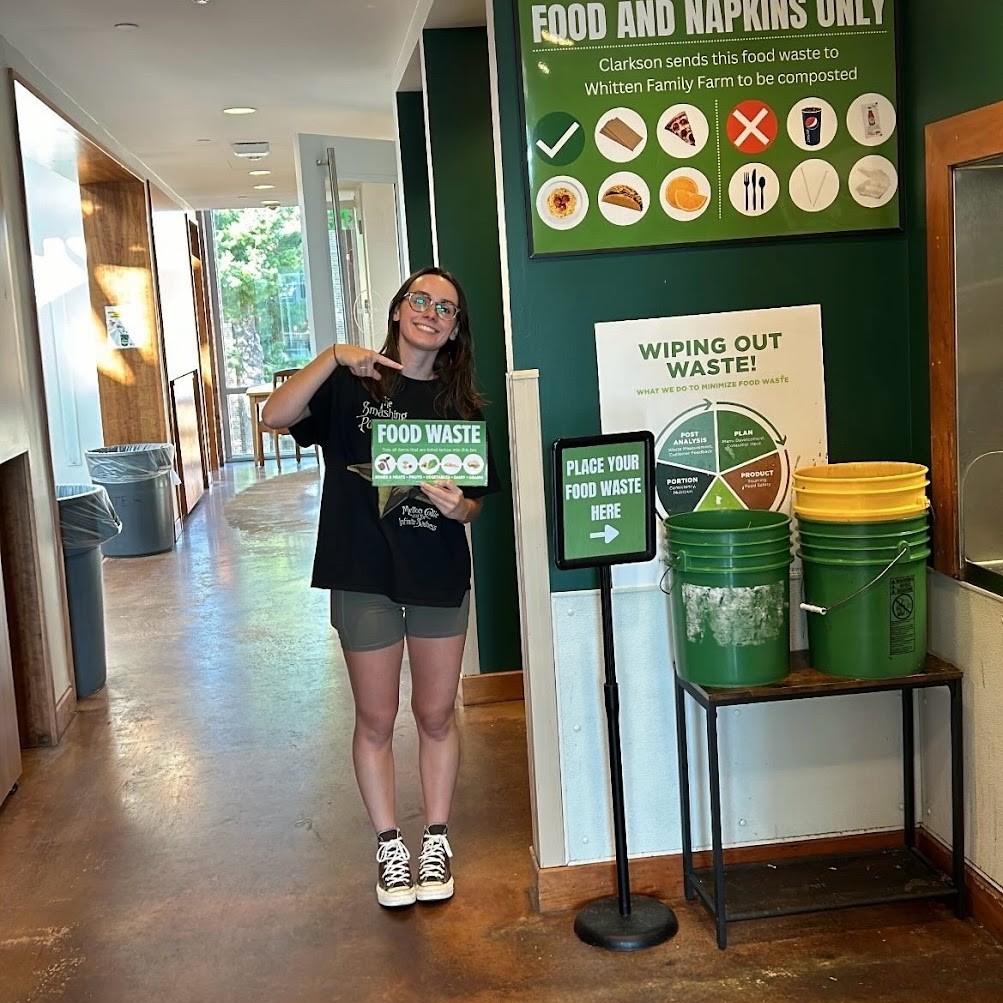
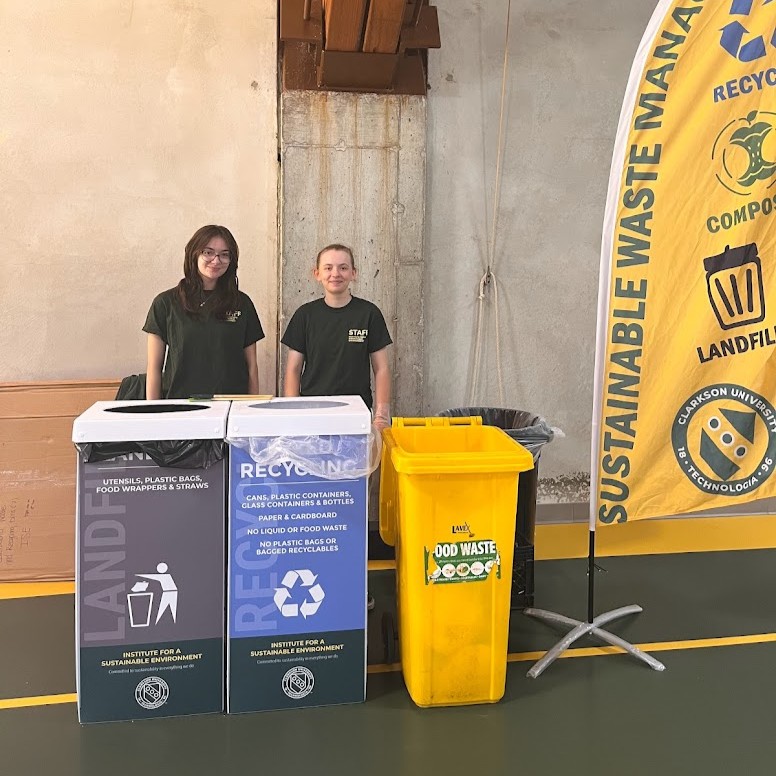
Clarkson runs an on-campus food waste collection program in collaboration with Sodexo, Whitten Family Farm, and our on-campus anaerobic digester. On our campus, post-consumer food waste from dining halls is scraped by students into buckets for pick up by Whitten Family Farm where it is turned into compost. Students living in apartments participate in our apartment composting program, collecting their own food waste and depositing it into designated toters. Pre-consumer food waste from kitchen prep areas is sent to an anaerobic digester, supporting student and faculty research. Anaerobic digestion effectively recovers energy and produces fertilizer-grade effluent, provided the waste stream remains uncontaminated. Successfully diverting food waste from the solid waste stream requires a cultural shift to ensure a clean, high-quality organic waste stream.
Bike Rental Program
If you live off campus, don’t own a car, or simply enjoy the physical and mental health benefits of riding a bicycle, then this program is for you! Started by ISE interns, the Bicycle Loan Program is a collaboration with Clarkson Libraries. Bicycles are available for long-term rental periods, at an affordable cost for students and faculty.
Take it Or Leave It
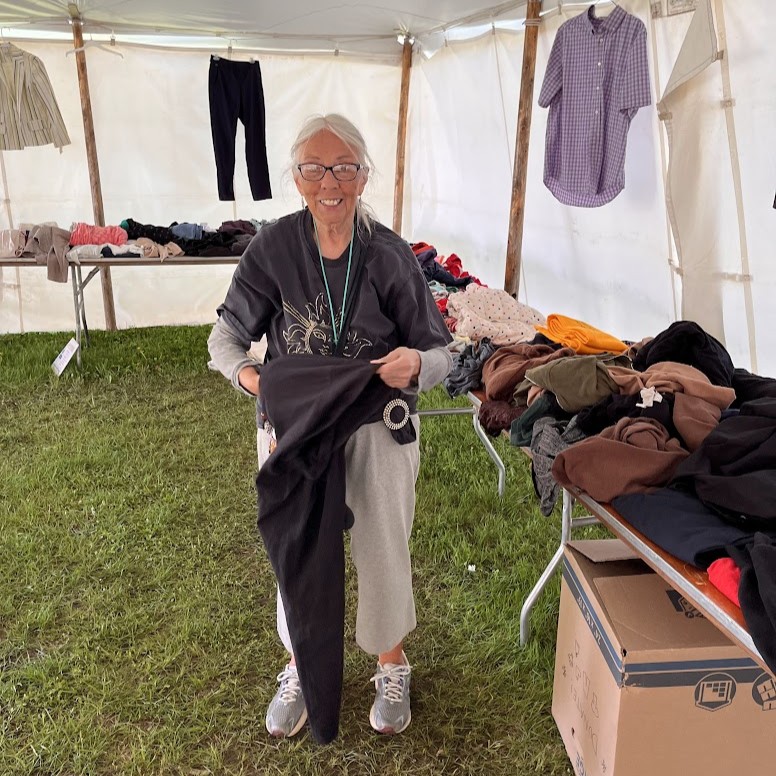
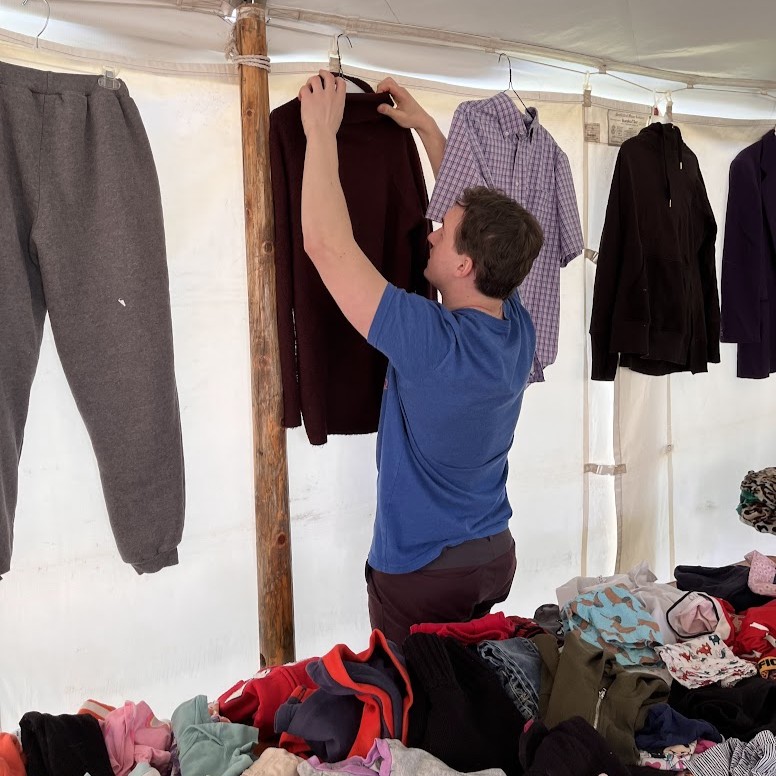
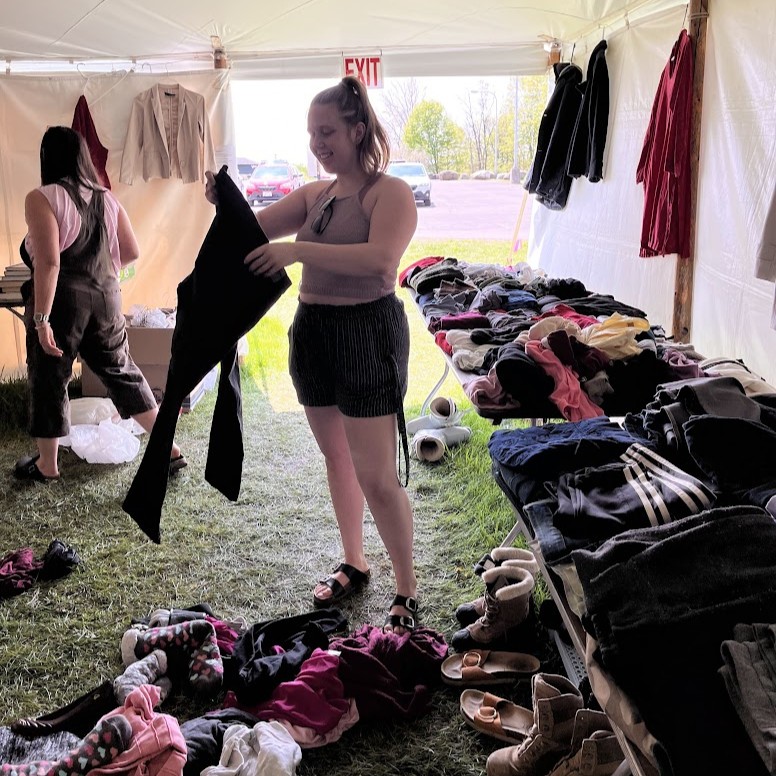
At the end of every spring semester, ISE interns and other campus volunteers run our annual “Take it or Leave it” program. Students are encouraged to donate dorm supplies, clothing, school supplies, and anything else they have left behind. These items are then available for other students, community members, and local nonprofits. Interns work to properly recycle unusable textiles, and to participate in take back programs (such as sending old toys back to Mattel).
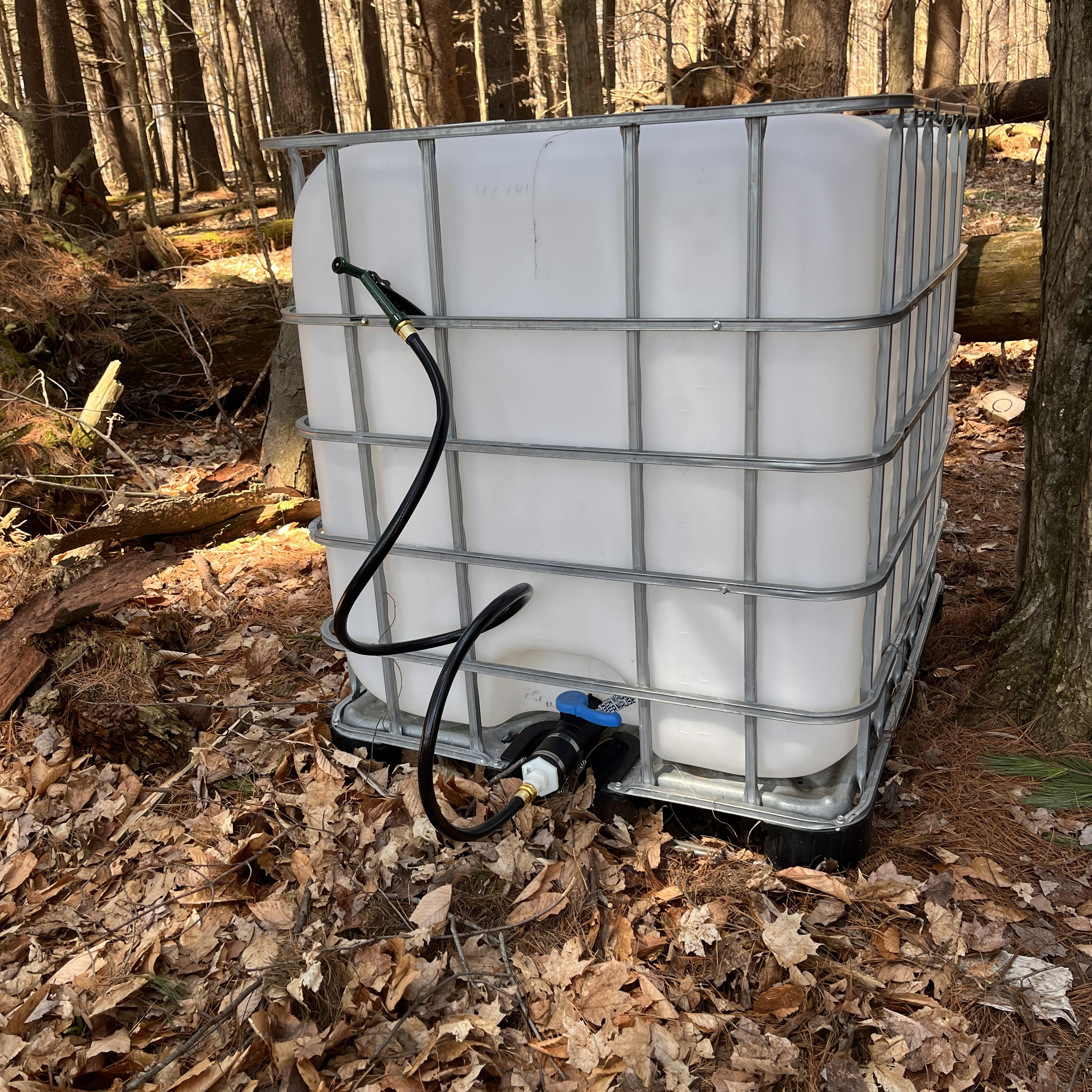
Rainwater Collection Systems
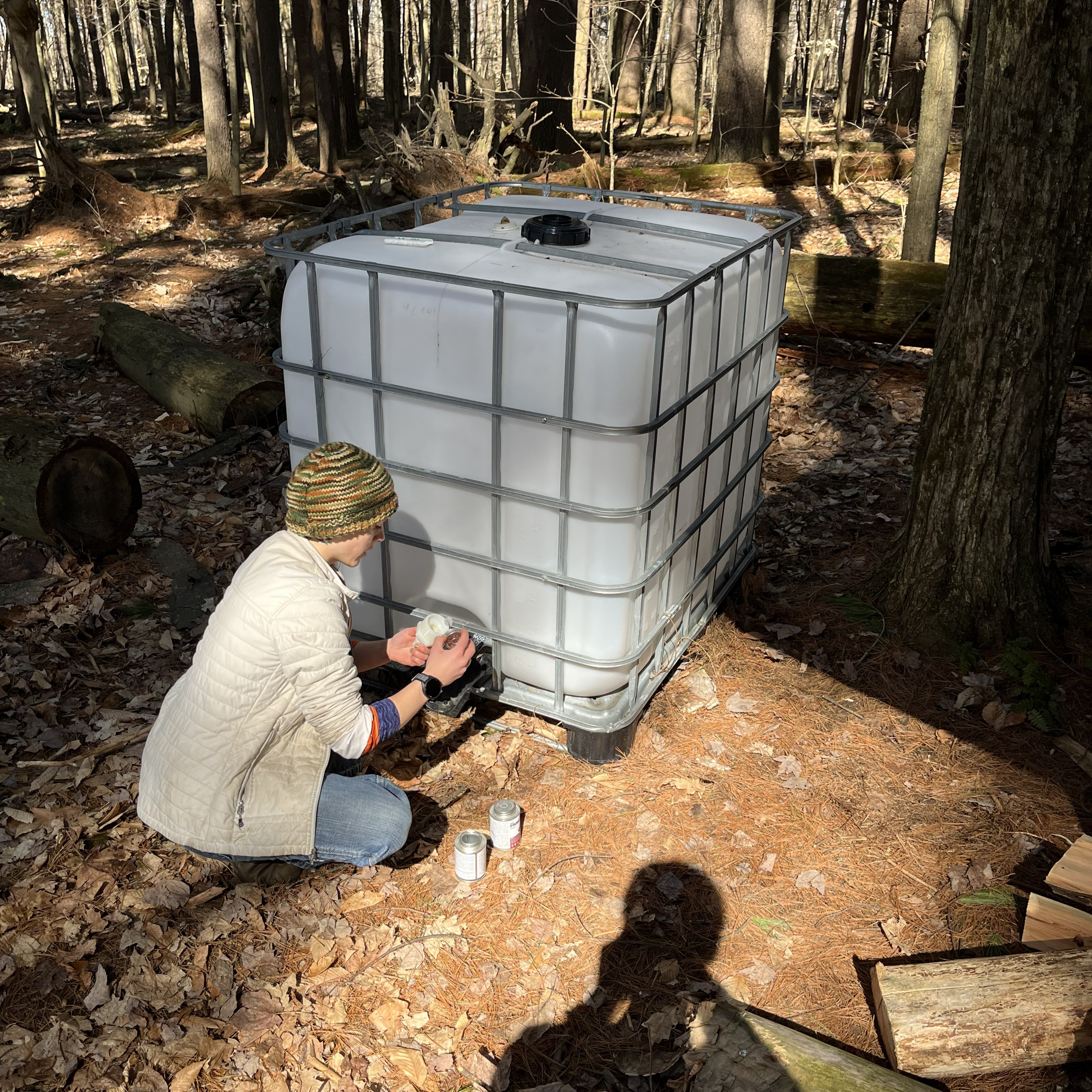
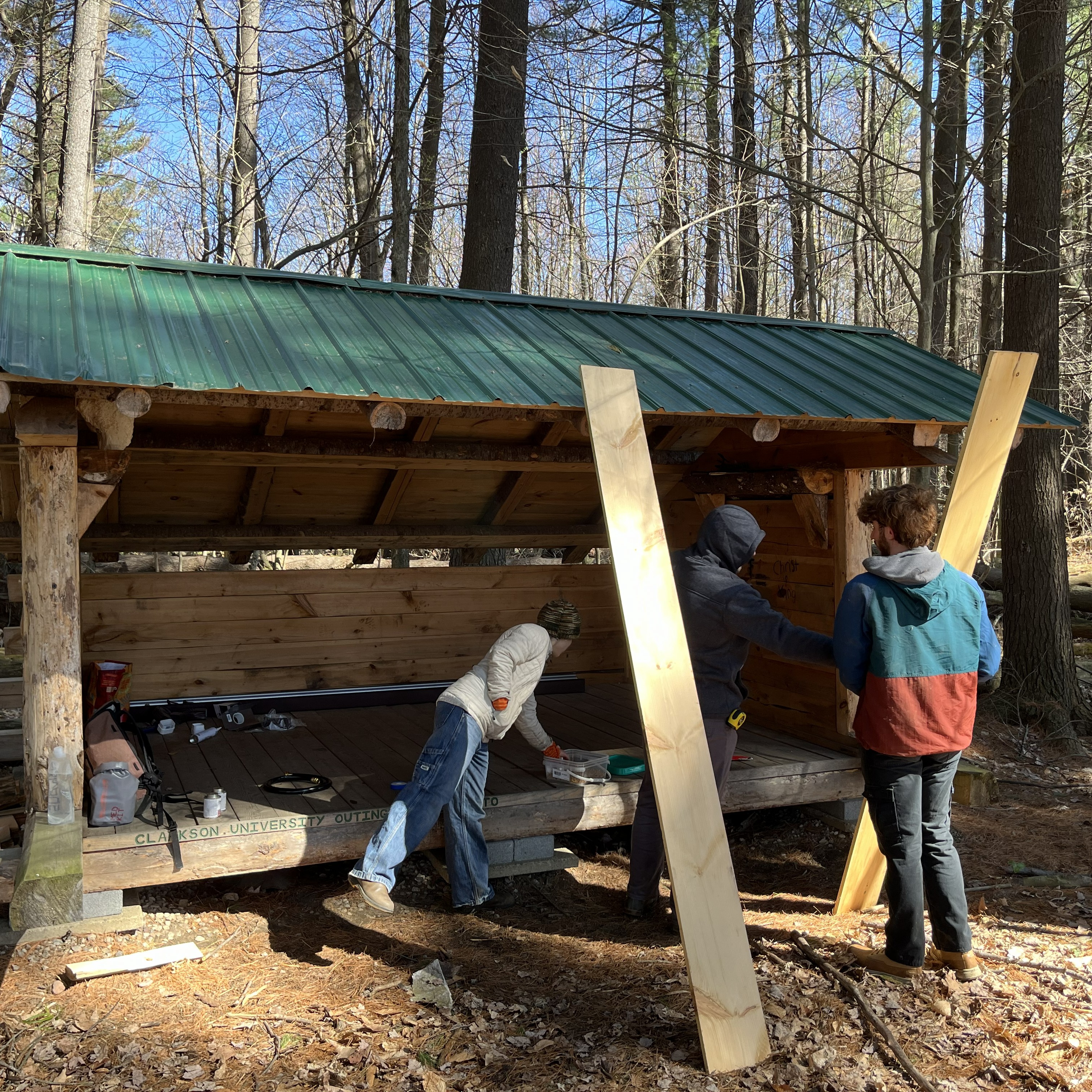
In 2025, a team of Clarkson students, in collaboration with the Construction Club and assistance from Army ROTC, designed and constructed a rainwater collection system at our Lean-To in the Clarkson Woods. The water collected is used by students to extinguish fires in our firepits. A new system will be built at the observation deck during the Fall 2025 semester.
Meadow Restoration & Birdhouse Installation
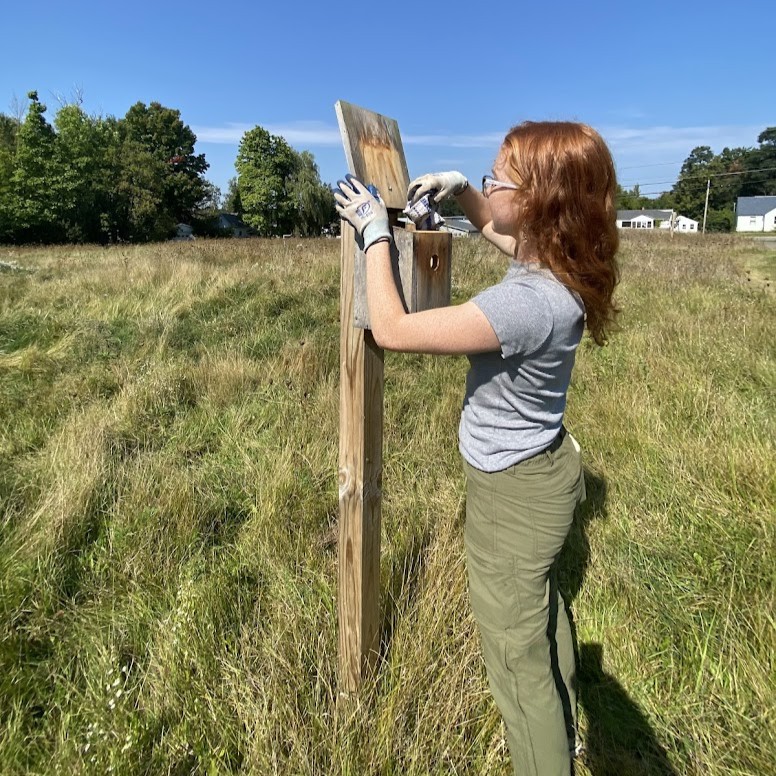
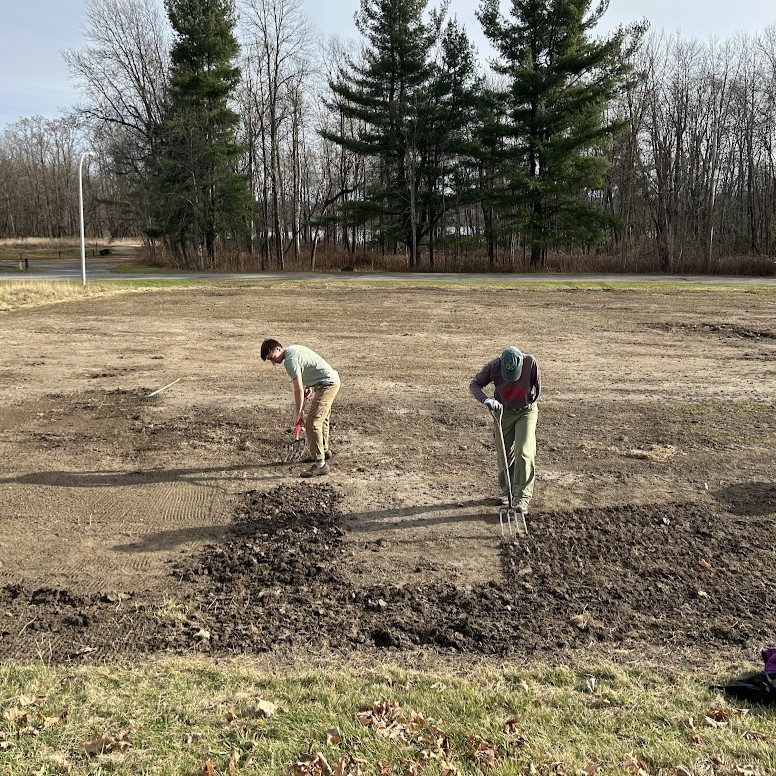
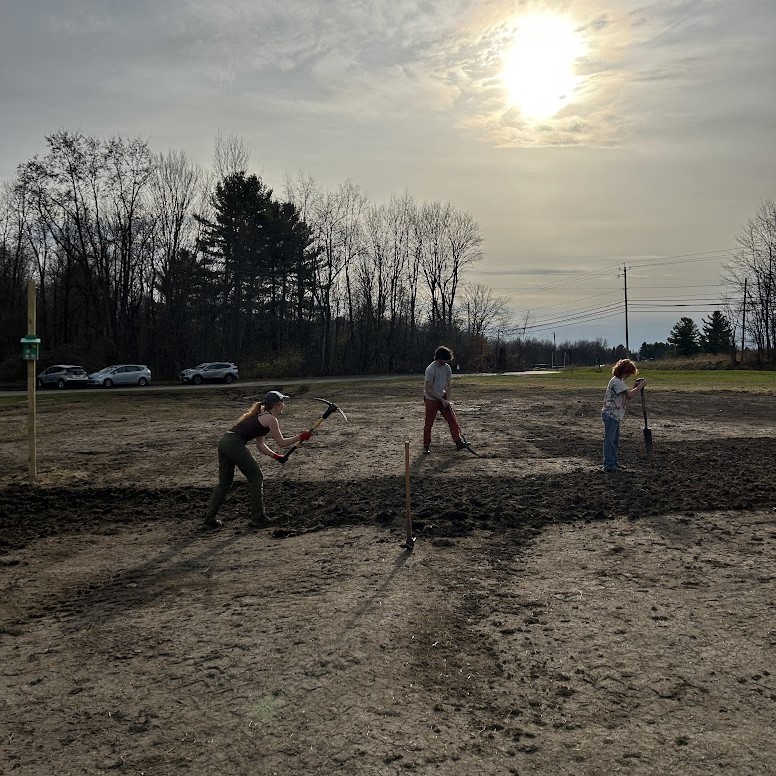
To enrich our campus ecosystem, Clarkson has designated several areas as No-Mow and Low-Mow zones, with a goal of reintroducing natural habitats and promoting local wildlife. In collaboration with our Facilities team, ISE interns continually work to reestablish meadow areas on campus. Students have assisted with prepping soil & planting wildflowers, as well as installing birdhouses and signage. Benefits of these low-mow zones include:
- Reduced maintenance: These zones save time and energy by reducing the need for mowing and using fewer resources like fuel.
- Increased biodiversity: These areas provide valuable habitat for pollinators, birds, and other wildlife.
- Aesthetic value: Many in the Clarkson community have expressed a desire to see meadow aesthetics incorporated into the landscape, creating vibrant, natural spaces on campus.
Forest Stewardship
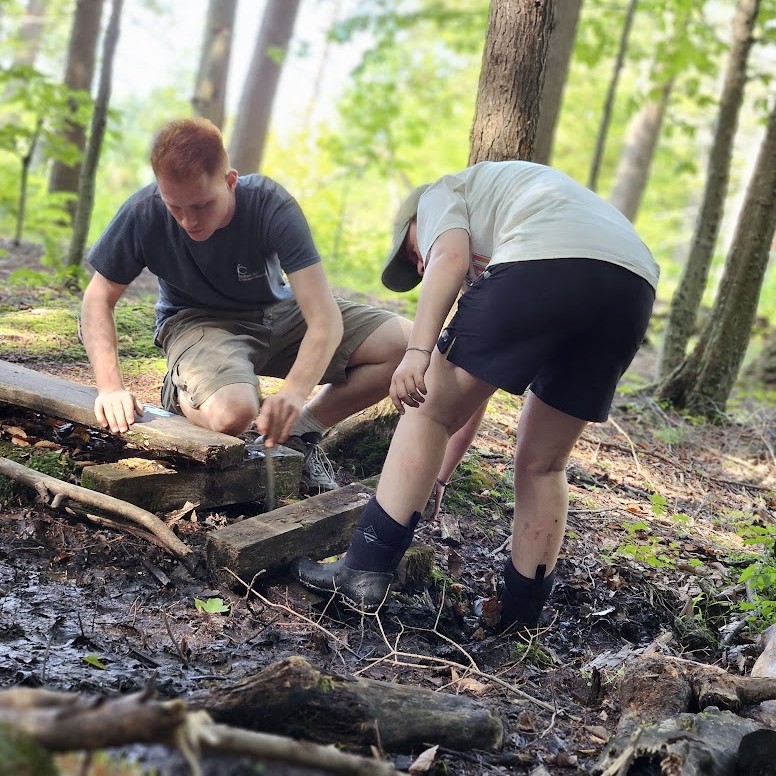
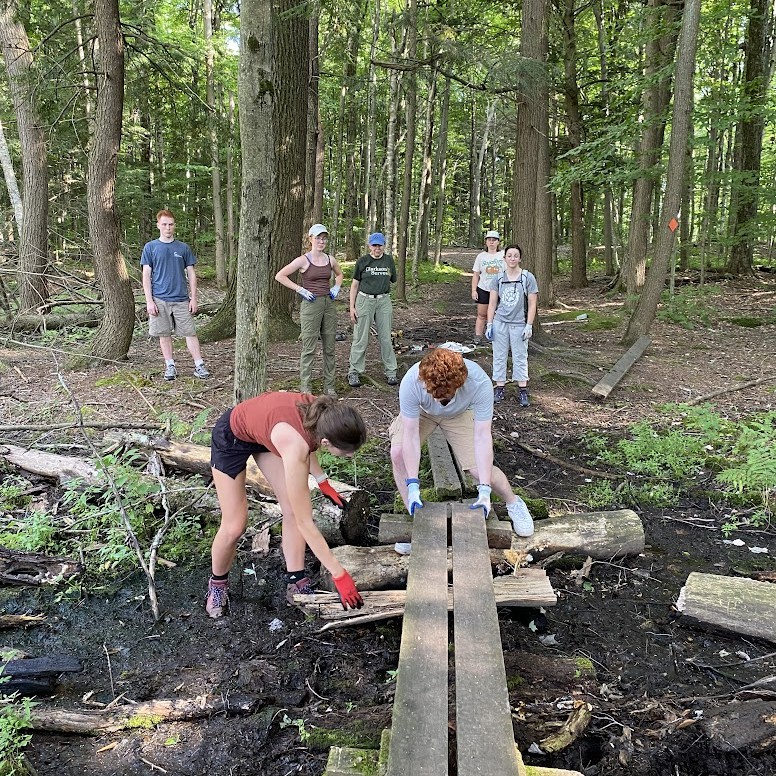
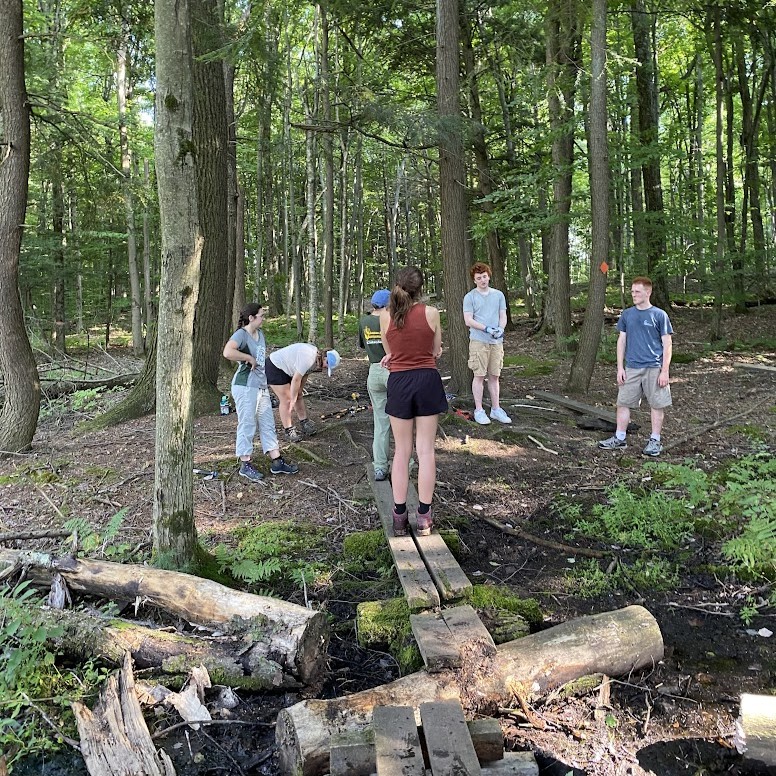
Clarkson’s Outing Club, Mountain Bike Club, and ISE interns work with Facilities staff to maintain our several miles of campus trails, including the Clarkson Woods and the Munter Trail. The Clarkson Woods is a 350 acre forest on campus that has a variety of hiking, cross country skiing, and mountain bike trails. The Bill Vitek Observation Deck overlooks a large beaver pond and is a popular destination for people who use the trails. Go explore!
Arboretum & Tree Planting
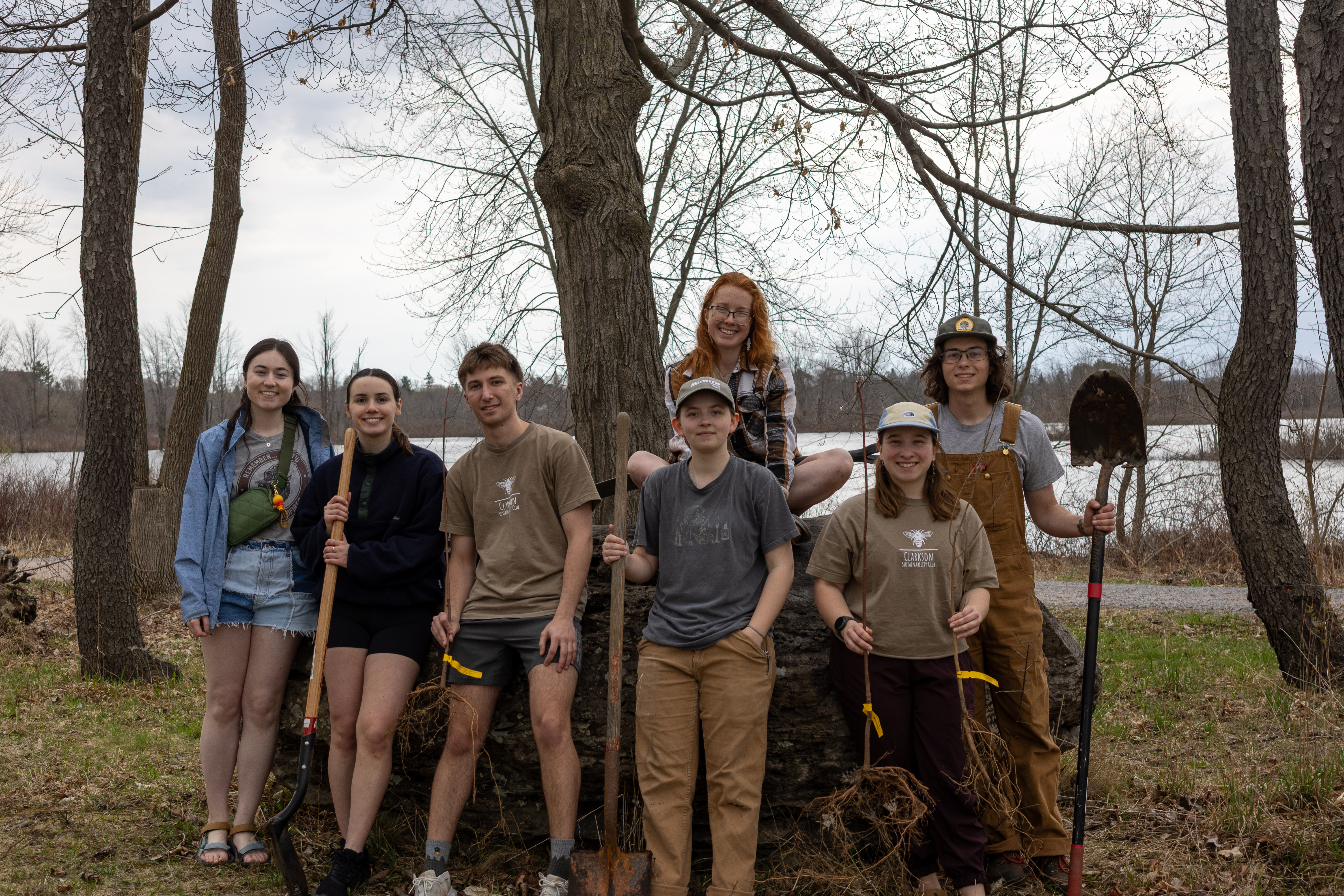
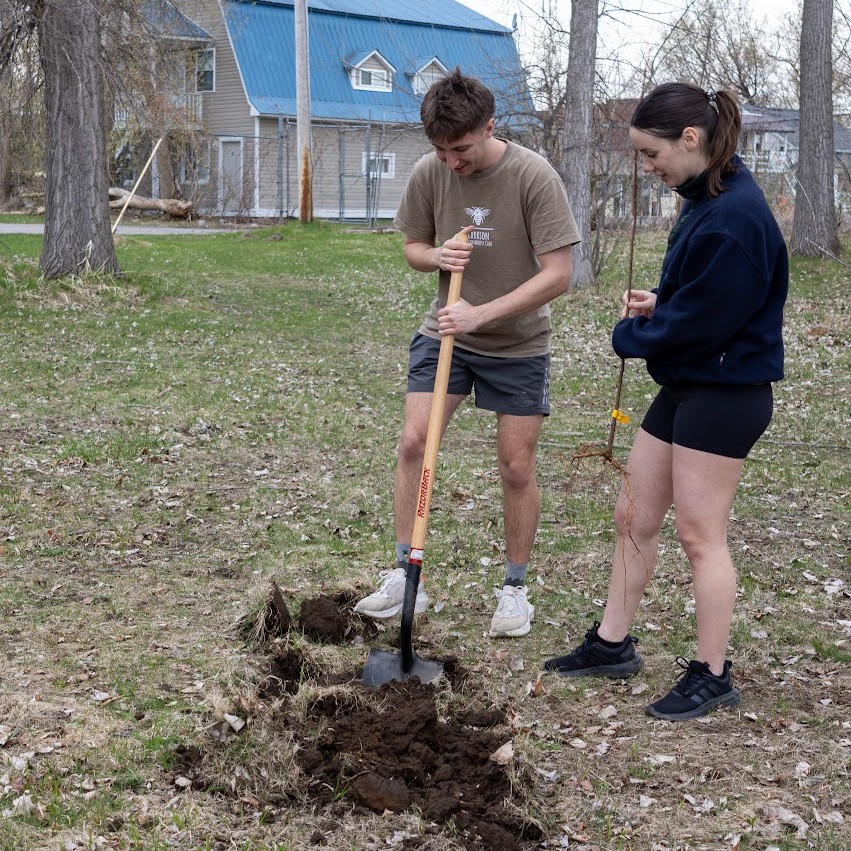
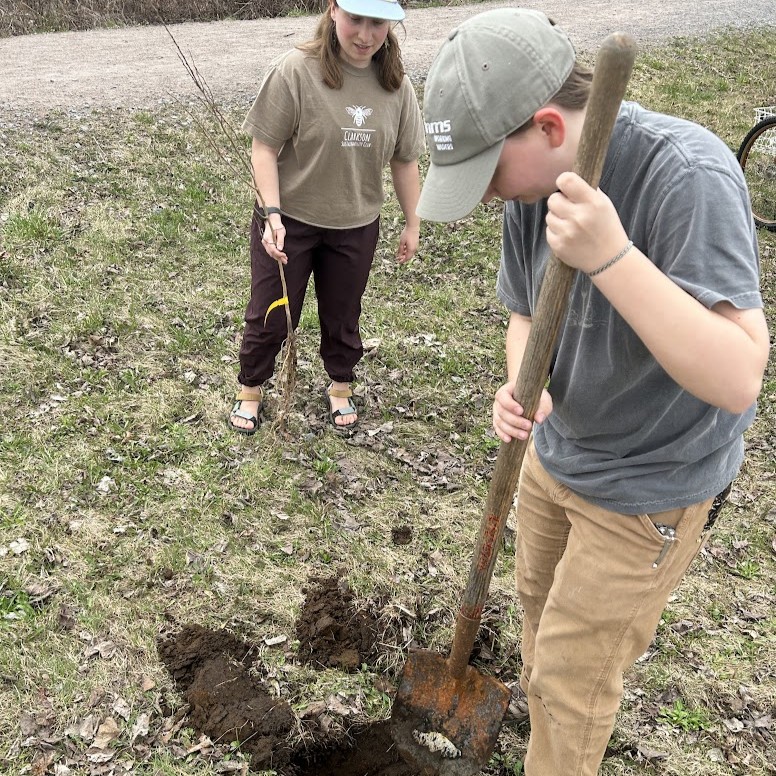
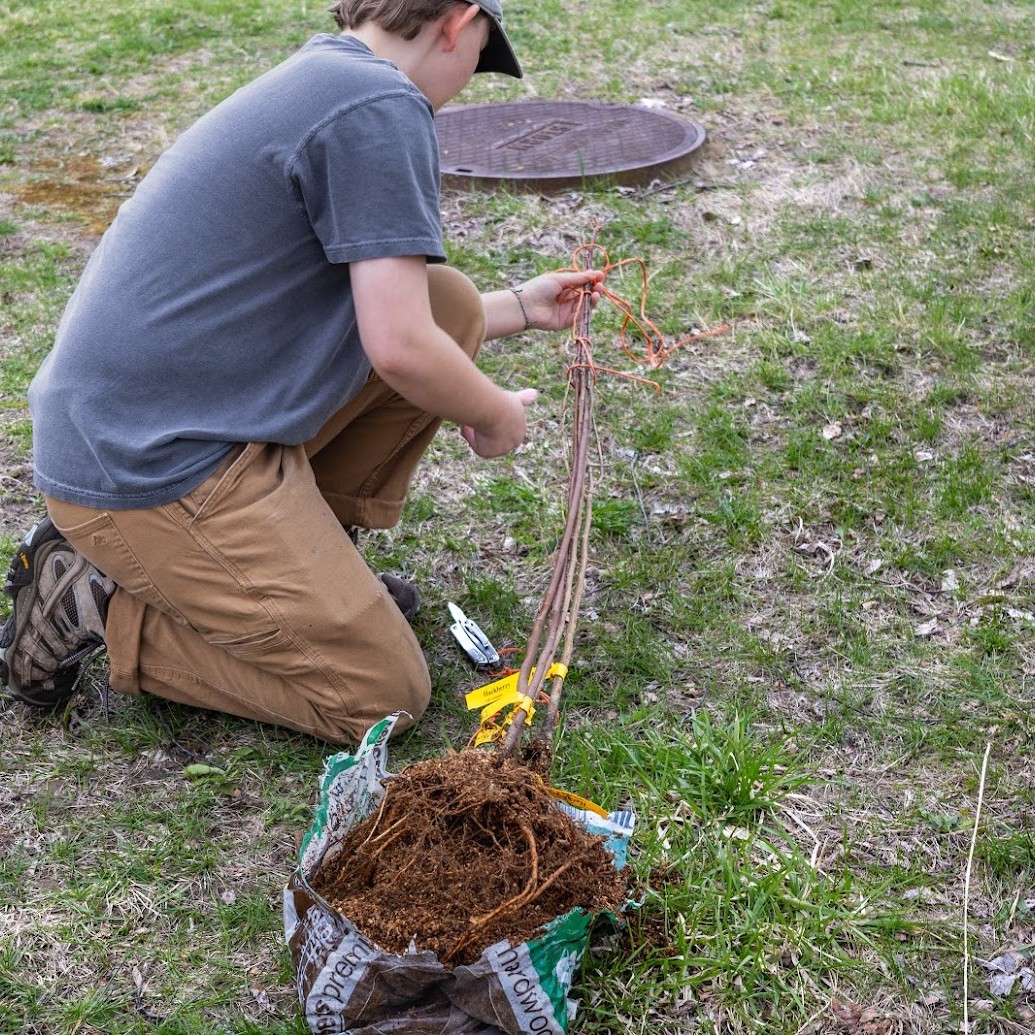
Clarkson has been a certified Tree Campus USA since 2017. As part of this commitment, students volunteer to plant trees on our campus every year on Arbor Day. In 2025, students in the Honors Program established an Arboretum along the Munter Train and Raquette River. This work was recognized with Level I Accreditation by The ArbNet Arboretum Accreditation Program and The Morton Arboretum, for achieving particular standards of professional practices deemed important for arboreta and botanic gardens. In 2025, students in the Honors Program established an Arboretum along the Munter Train and Raquette River. This work was recognized with Level I Accreditation by The ArbNet Arboretum Accreditation Program and The Morton Arboretum, for achieving particular standards of professional practices deemed important for arboreta and botanic gardens.
Greenhouse & Garden
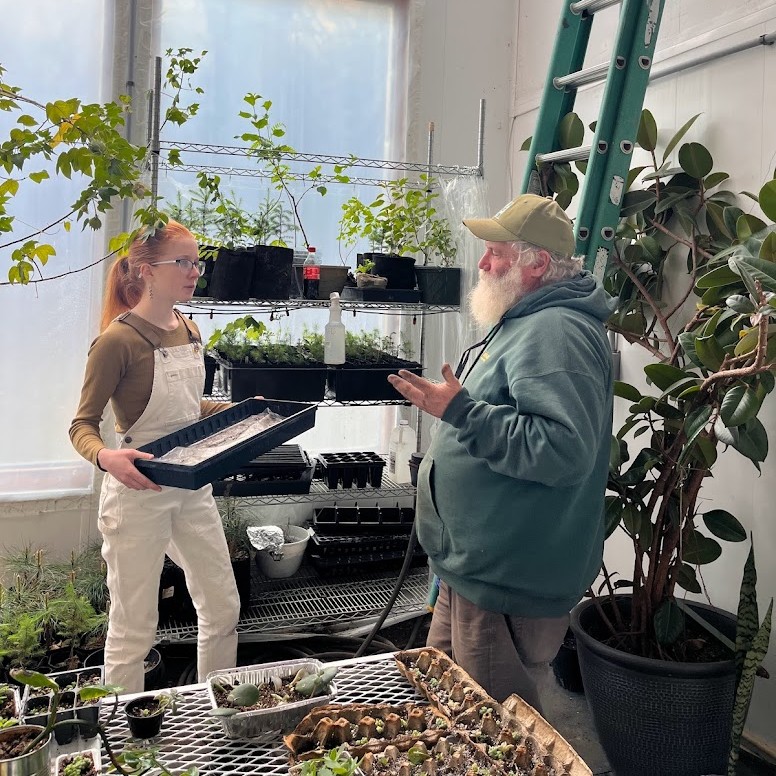
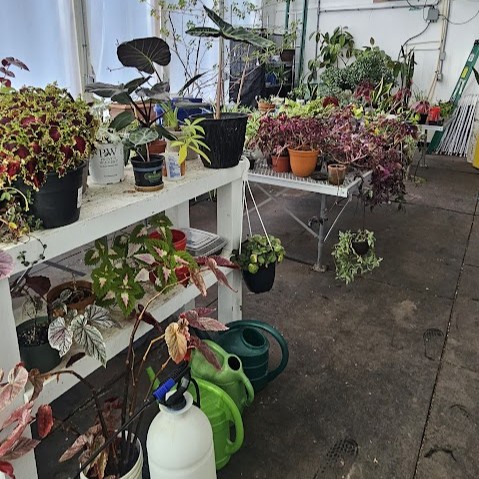
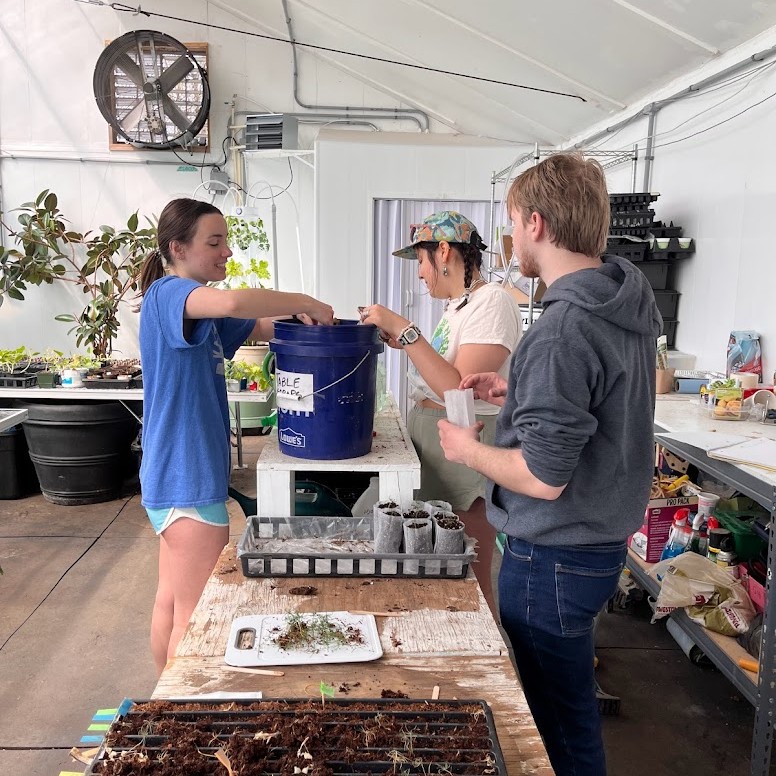
Clarkson students designed and constructed a 650 square foot greenhouse to grow produce and houseplants in northern climates. The garden just outside is managed by the student-run Garden Club, and produce is donated to our on-campus food pantry.
Get Outside & Nature Rx
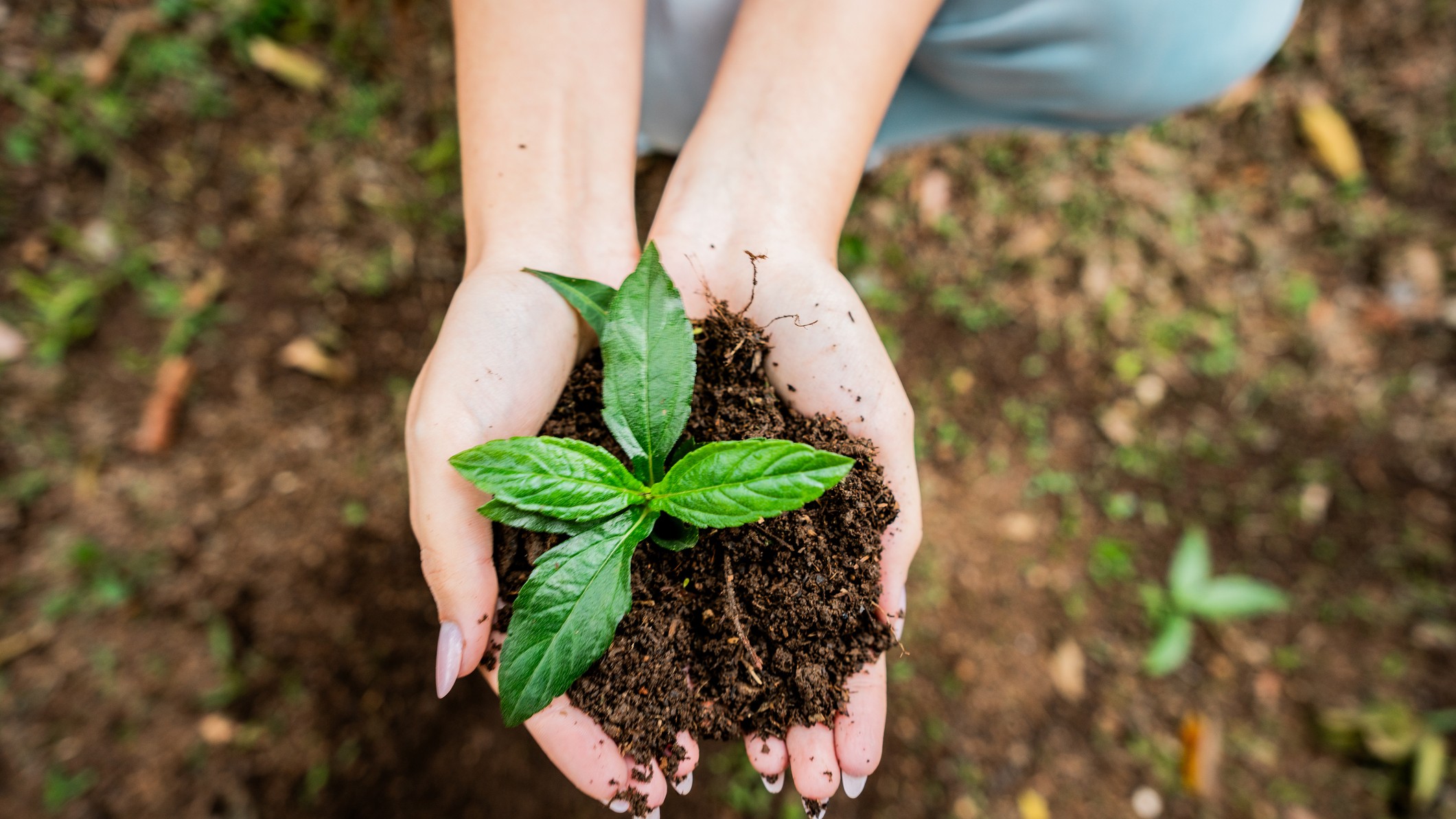
Our campus has so much to offer in terms of outdoor spaces. Student Health and Counseling (SHAC) partnered with the ISE in 2025 to create a Nature Rx program, offering nature-based therapy, and a website stocked full of wellness activities and information about our outdoor spaces on campus. This program is recognized by the national Campus Nature Rx Network.
Major Sustainability Initiatives
Major Sustainability Initiatives
United Nations Sustainable Development Goals: What are they and why do they matter?
Image
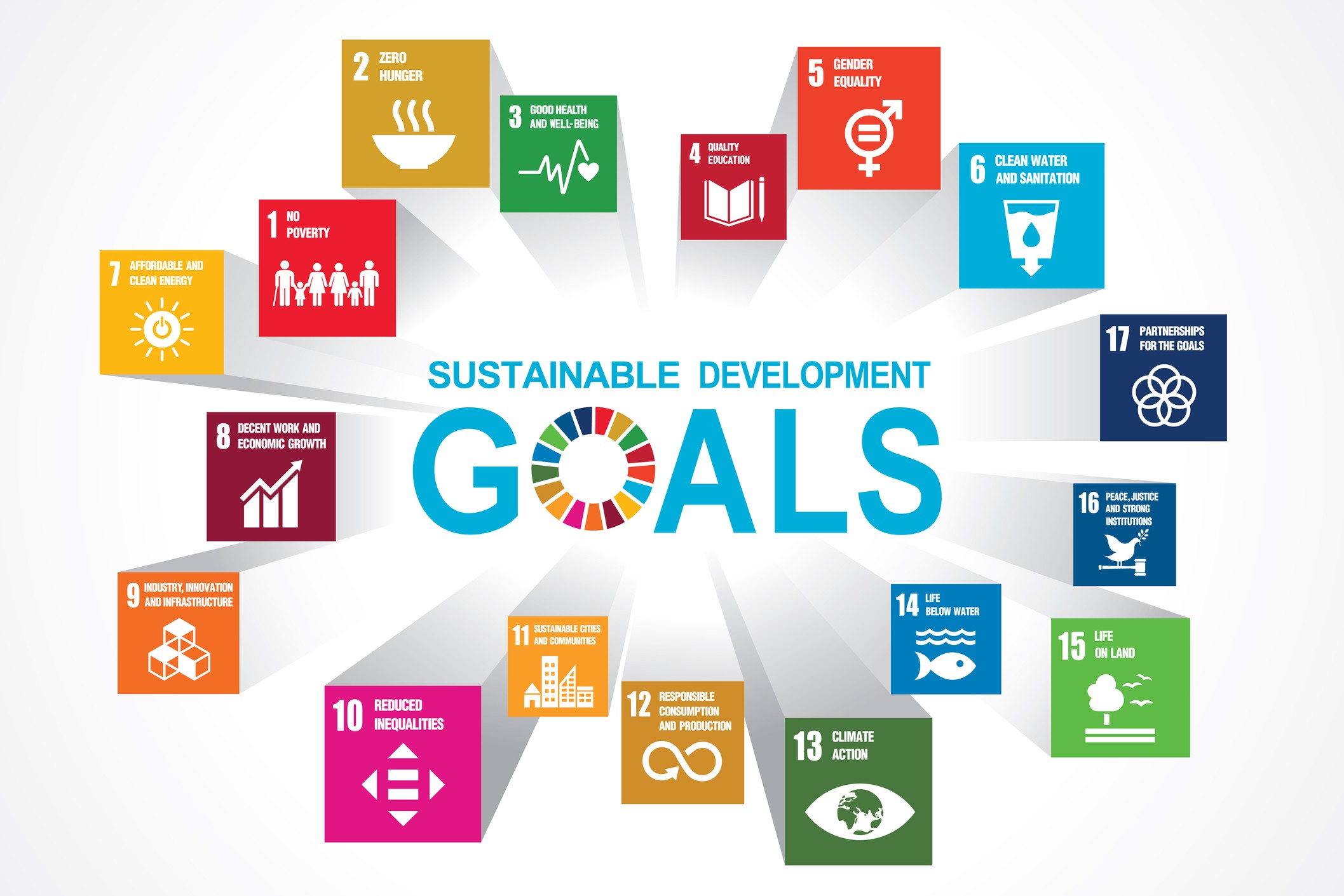
The UN Sustainable Development Goals (SDGs) were established when the 2030 Agenda for Sustainable Development was adopted by all UN Member States in 2015. The 17 SDGs are a call to action for global partnership to combat climate change and other environmental challenges. According to the UN, these goals “recognize that ending poverty and other deprivations must go hand-in-hand with strategies that improve health and education, reduce inequality, and spur economic growth – all while tackling climate change and working to preserve our oceans and forests.” Clarkson is dedicated to incorporating sustainability into everything we do. This includes grounds and operations, coursework, research, student life, and so much more. We use the SDGs as a guiding framework and theme for celebrating sustainability successes, while recognizing that strong sustainability recognizes that prosperity needs strong communities and those in turn need a healthy environment.
Sustainable Development Goals (SDGs):
- No Poverty
- Zero Hunger
- Good Health and Well-Being
- Quality Education
- Gender Equality
- Clean Water and Sanitation
- Affordable and Clean Energy
- Decent Work and Economic Growth
- Industry, Innovation and Infrastructure
- Reduced Inequalities
- Sustainable Cities and Communities
- Responsible Consumption and Production
- Climate Action
- Life Below Water
- Life on Land
- Peace, Justice and Strong Institutions
- Partnerships for the Goals
Meet Johannes Richter!
Johannes Richter is a Business Administration undergraduate here at Clarkson University. In addition to his studies, Richter is a sustainability leader on campus! Richter also serves as a Student Manager of the CU Pantry!